



Enrollment Phone
010-63134103
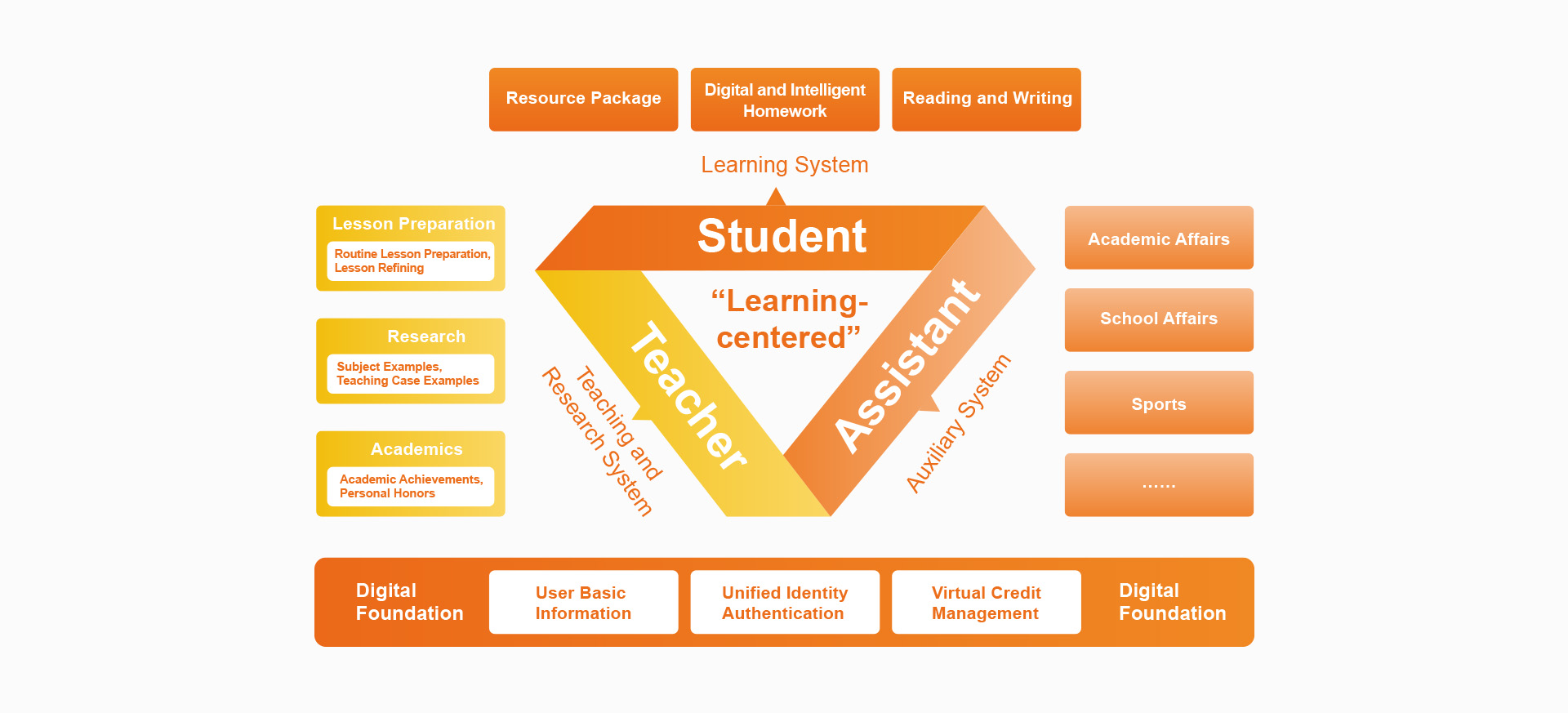
We promote the informatization, digitalization, and intellectualization of school education and teaching, aiming to build a smart campus. We are gradually establishing a technology-powered, personalized, and internationalized model for the future school, striving to become a model smart campus in Beijing.
The smart systems include the administrative system, teaching and research system, and AI learning system, which will be developed over three years, based on design plans and technical support.
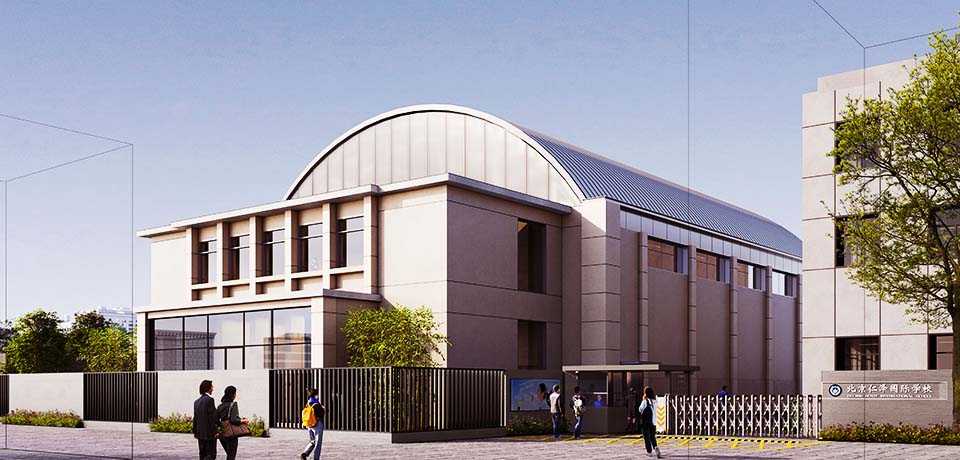
Establish a campus security system. The facial recognition access control system ensures the safety of students entering and leaving the school. Chips embedded in students’ uniforms track their movements on campus, providing real-time monitoring of their physical, psychological, and health status. This enables timely intervention or guidance when necessary.
Create an intelligent system for home-school communication, to ensure the timely transmission of information about the school’s educational and teaching activities. This allows parents to stay informed about the school’s educational dynamics and their children’s growth and progress while at school.

Establish an evaluation system for teachers based on points-based management and maintain a culture of motivation to encourage teachers’ self-driven developments. Set up a learning community for teachers, provide discussion areas for teachers’ professional developments as well as research and teaching, etc.
Create a teacher lesson preparation system, and form interactive and progressive course resources that promote mutual growth in teaching and learning, allowing for continuous optimization and upgrading. Teachers will upload “lesson plans” and assessment scales of academic quality to the curricular resource space in real-time and set clear standards from the outset. This enables students to understand the standards, assess their progress toward achieving goals, and foster self-awareness and personal development.

Establish a student development system based on a points-based management, and create the Renze Credit Bank. Students will have individual credit accounts, and rules for points storage and usage will be defined.
The school will create an AI learning district in the corridors of the teaching building, where students can study independently, engage in discussions, and access various learning resources during breaks or lunchtime. Students may also independently browse the internet for information (such as in the library, museum, or science and technology center). They can organize and edit information to produce generative outcomes, which can be self-assessed and rated by peers. The school will regularly recognize and reward students for their efforts, to encourage the efficient use of fragmented time.
Establish a self-directed learning system, where students can choose challenges from three levels of learning resources provided by teachers – “basic, advanced, and competitive” - to carry out project-based learning. The goal is to achieve precise teaching and learning delivery, progressive training, and self-assessment.
Create a course selection system where students can choose projects within school-based courses or club activities, such as a film production studio, to create short films, participate in drama performances, or perform textbook plays. Students will independently organize and push forward the project, and showcase results. Peer evaluations and high “likes” will earn recognition and reward points.Create a course selection system where students can choose projects within school-based courses or club activities, such as a film production studio, to create short films, participate in drama performances, or perform textbook plays. Students will independently organize and push forward the project, and showcase results. Peer evaluations and high “likes” will earn recognition and reward points.
Set up a learning demand system where the school will upload lectures from prominent experts, such as academicians, financial experts, legal professionals, military experts, and diplomats. Students choose on their own, and the lectures with higher click-through rates will be scheduled first.
Establish a self-management system for students, including a mechanism for resolving conflicts and disputes, such as the Renze Law Firm and Renze Arbitration. When students encounter conflicts, they will first attempt to mediate and resolve the issue themselves according to laws and regulations. Successful resolution and reconciliation will earn students reward points.
In conclusion, the school will empower the establishment of a smart campus through technology to provide a reliable operational environment for the school’s public business management, curriculum teaching, teacher and student development, and other information systems. The school aims to integrate dispersed and heterogeneous resources, to achieve precise, comprehensive, and broad resource adaptation. It will build an integrated network that combines wired and wireless technologies, to expand the information superhighway of the smart campus.


010-63134103

No. 74 North Street, Xinjiekou, Beijing

Beijing Renze High School


